

Kling AI Prompts That Run on Kling 3.0
Kling reads a prompt as subject, movement, scene, camera and light, one main camera move per clip.
Updated
Not affiliated with Kuaishou.
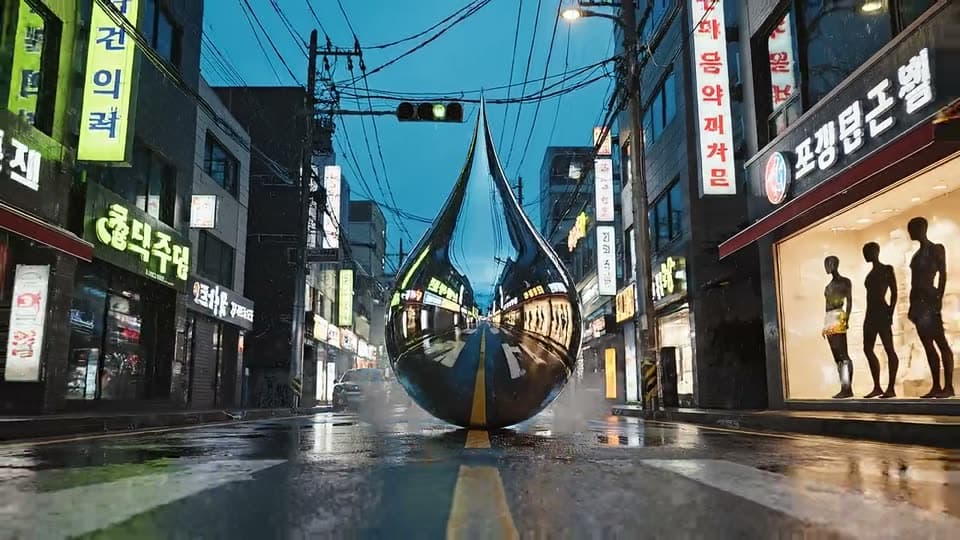
How Kling reads a prompt
Kuaishou's own text-to-video prompt guide (November 24, 2025) breaks a prompt into a subject and its description, the subject's movement, the scene and its description, and three optional parts: camera language, lighting and atmosphere. It asks for simple words and short sentences, movement that is "straightforward and suitable for a 5-second video", and warns that the model is "not sensitive to numbers" and that complex physics, such as a bouncing ball, is hard to render.
The camera control guide (August 13, 2026) adds the rule the prompts on this page follow: one main camera move per shot. Its vocabulary is push in, pull back, pan left or right, tilt up or down, track forward, orbit slowly and static camera, with speed and stability words such as "slow, stable pan left, no sudden motion". Stacking an orbit, a push in and a static camera in one prompt makes the result unstable.
For image to video, the image-to-video guide (November 24, 2025) reduces the prompt to subject plus movement. The photo already holds the scene, so describing it again is wasted; a description that departs strongly from the photo can cause a cut to a new shot.
Each prompt below is written in that order: subject, action, camera move, lens and light, mood. Kling 3.0 clips in UniqAI are 5 or 8 seconds, so there is one action and one camera move per prompt.
Camera movement prompts
A brass compass lying open on a weathered paper map, the needle swinging once and settling. Slow, stable push in on the compass face. 85 mm macro lens, warm lamp light from the right, shallow depth of field. Quiet, focused mood, no sudden motion.
Run on Kling 3.0A single lit candle on a long oak dining table in an empty hall, the flame flickering gently. Slow pull back that reveals the whole table and the tall windows behind it. Wide 24 mm lens, cool moonlight through the windows against the warm candle glow. Still, solemn atmosphere.
Run on Kling 3.0A row of small fishing boats moored in a harbour at dawn, rocking slightly on the water. Slow, stable pan left across the boats to the lighthouse, no sudden motion. 35 mm lens, pale morning mist, low sun just above the horizon. Peaceful, unhurried mood.
Run on Kling 3.0An adult hiker standing still at the edge of a mountain ridge, wind moving the jacket. Slow tilt up from the boots on the rock to the peaks and the sky. 28 mm lens, soft overcast daylight, crisp detail on the rock. Open, airy mood.
Run on Kling 3.0A bronze sculpture of a horse on a plinth in a bright gallery, dust drifting in the light. Slow orbit around the sculpture, stable camera. 50 mm lens, skylight from above, soft reflections on the bronze. Calm museum atmosphere.
Run on Kling 3.0Product shot prompts
A matte black pair of over-ear headphones rotating slowly on a mirrored turntable, light sweeping across the ear cups. Static camera, product centred. 100 mm lens, one soft key light from the top left and a thin rim light behind, dark grey seamless backdrop. Clean, premium mood.
Run on Kling 3.0A glass bottle of amber perfume standing on wet black slate, a single water drop running down the glass. Slow push in on the bottle. 90 mm macro lens, soft backlight through the liquid, small specular highlights. Elegant, quiet atmosphere.
Run on Kling 3.0A white canvas sneaker on a light grey studio sweep, the fabric laces lifting and settling as a soft breeze passes. Slow quarter-turn orbit around the shoe, stable framing. 85 mm lens, bright even softbox light with a faint ground shadow. Fresh catalogue mood.
Run on Kling 3.0Portrait and people prompts
An adult woman with short grey hair in a charcoal turtleneck looking into the lens, a slow blink and a small smile forming. Static camera, head and shoulders. 85 mm lens, one large soft light from camera left, mid-grey backdrop, natural skin texture. Calm editorial mood.
Run on Kling 3.0An adult man with a short beard standing in a wheat field at golden hour, wind moving his hair and the stalks around him. Slow push in from a medium shot to a close-up. 135 mm lens, low sun behind him with gentle lens flare, creamy bokeh. Warm, nostalgic atmosphere.
Run on Kling 3.0A dancer in a loose white shirt turning once, slowly, in an empty rehearsal studio, the fabric following the turn. Slow track forward toward the dancer, stable camera. 35 mm lens, daylight from tall windows, dust in the air. Light, graceful mood.
Run on Kling 3.0Nature and landscape prompts
A mountain lake at sunrise with thin mist drifting across the surface and mirror reflections of snow peaks. Static camera, wide shot. 24 mm lens, soft pink and gold morning light, a touch of lens flare on the ridge. Serene, cold-morning atmosphere.
Run on Kling 3.0Tall grass on a coastal dune bending in gusts of wind, grey waves rolling in behind it. Slow tilt down from the clouds to the grass. 50 mm lens, overcast silver light, muted palette. Moody, wild atmosphere.
Run on Kling 3.0Autumn leaves falling slowly from a maple tree onto a still forest pond, ripples spreading where they land. Slow push in toward the water. 85 mm lens, soft backlit afternoon sun with rays through the branches, amber and rust palette. Gentle, melancholic mood.
Run on Kling 3.0Action prompts
A cyclist in a yellow rain jacket riding through a city street at night, the tyres throwing up spray. Tracking shot alongside at the same speed, stable camera. 35 mm lens, wet reflections of shop signs, shallow depth of field. Energetic, cinematic mood.
Run on Kling 3.0A chef tossing vegetables in a wok, a flame flaring once and settling. Static camera, medium shot, slight slow motion. 50 mm lens, warm overhead kitchen light with the fire as the key light, steam and sparks. Intense, lively atmosphere.
Run on Kling 3.0Image-to-video prompts for your own photo
The person blinks and smiles slightly, hair moving in a light breeze. Static camera.
Animate my photo on Kling 3.0Steam rises from the cup and the candle flame flickers. Slow push in.
Animate my photo on Kling 3.0Clouds drift slowly across the sky and the water ripples. Slow pan right.
Animate my photo on Kling 3.0What Kling 3.0 in UniqAI can and cannot do
In UniqAI, Kling 3.0 makes a 5 second clip for 80 gems or an 8 second clip for 120 gems, in 16:9, 9:16 or 1:1, from a text prompt or from one photo plus a prompt. Video models need a paid plan, and the cost is shown next to the model before you press Generate. Details and plan counts are on the Kling AI page.
The features Kuaishou sells in its own app and API are not all exposed here. There is no motion-control or reference-video input, no lip sync, no extend-video step, no start-and-end-frame or multi-shot storyboard, and no negative-prompt field. Everything is steered through the prompt text, which is why the camera move and the one thing that should stay still are both written out above. Kling clips here are silent; if you want sound in the clip, run the prompt on Veo 3 instead and add a line such as "Sound: rain on the street".
For a longer piece, generate several 5 or 8 second clips with the same lens and light wording and join them in a video editor. For a clip that starts from a picture, use the image to video page or the photo prompts above.
About the clips on this page
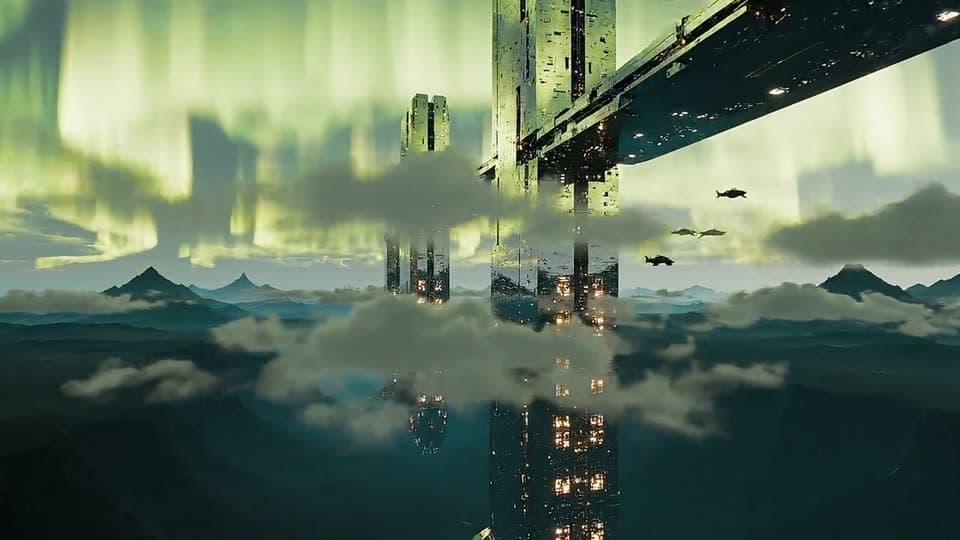
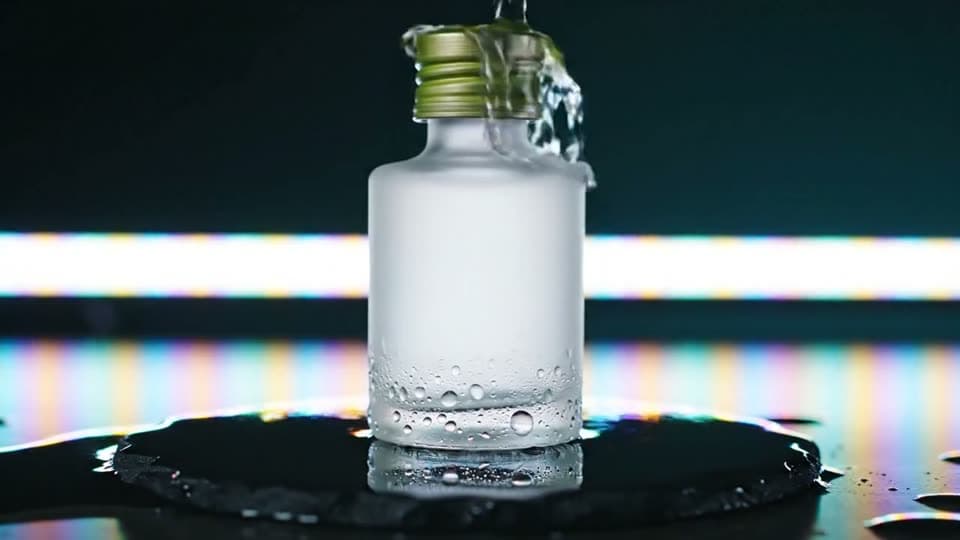
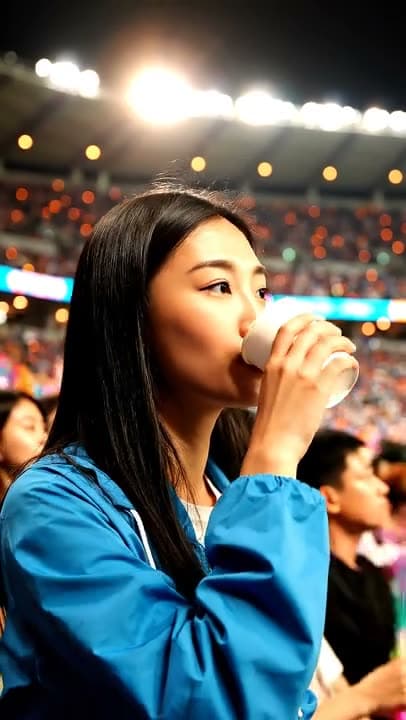
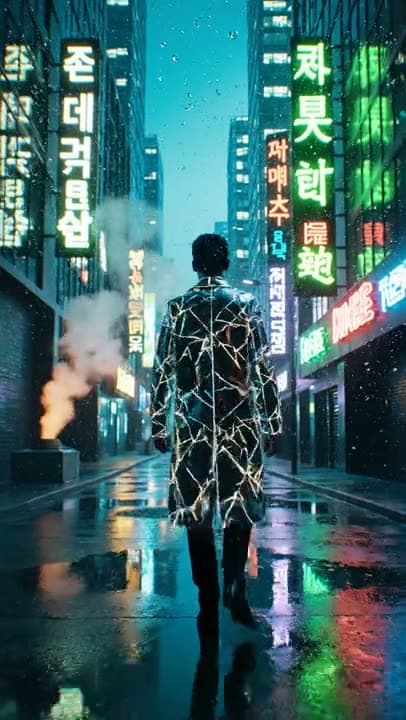
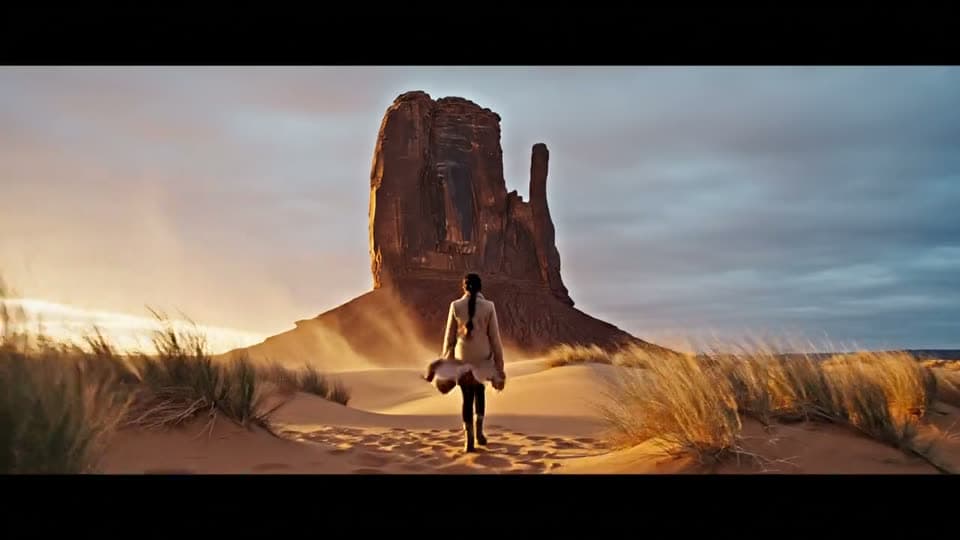
The videos in the gallery are sample clips generated in the UniqAI app; the first one was made with Kling 3.0, the last one with Veo 3 for comparison. The prompts on this page are not the prompts behind those clips. They are patterns written in the order Kuaishou's guides describe, so you can see the structure and change one part at a time. Kling is generative: the same prompt gives a different clip on every run, and a result can miss a detail or add one, so treat the first run as a draft.
Sources
- Kuaishou: Kling AI: Text-to-Video prompt guide ()
- Kuaishou: Kling AI: Camera control video guide (push, pull, pan and tilt) ()
- Kuaishou: Kling AI: Image-to-Video guide ()
- Kuaishou: Kling AI Launches 3.0 Model (press release via GlobeNewswire) ()
Real examples
Real results from the app.
How it works
Pick a prompt and press Run on Kling 3.0
The composer opens with the prompt filled in and Kling 3.0 selected.
Check the length and the cost
5 seconds is 80 gems, 8 seconds is 120. The number is shown next to Generate.
Change one thing per retry
Swap the camera move or the light, keep the rest, and compare the two clips.
Questions about Kling AI Prompts That Run on Kling 3.0
How long should a Kling prompt be?
Two to four short sentences is enough: the subject and what it does, the setting, one camera move, then lens, light and mood. Kuaishou's guide asks for simple words and short sentences rather than a word count. A long list of competing instructions renders less predictably than one clear scene, so cut anything the clip cannot show in 5 to 8 seconds.
Which words move the camera in Kling?
Use the terms from Kuaishou's camera guide: push in, pull back, pan left or right, tilt up or down, track forward, orbit slowly, or static camera. Add a speed and a stability word, such as "slow, stable push in, no sudden motion", and keep one main camera move per clip.
Can I use a negative prompt with Kling 3.0 in UniqAI?
No. The composer has no negative-prompt field, so describe what you want instead of what to avoid: "static camera, product centred" works better than "no camera shake". Kuaishou's own prompt guide does not rely on negative prompts either.
Do Veo 3 prompts work on Kling?
Mostly, with two changes. Remove any "Sound:" line, because Kling clips in UniqAI are silent, and make sure there is only one camera move. Veo tends to tolerate stacked moves better. The same prompt can be run on both models from the composer, so you can compare the two clips directly.
Can I ask Kling for sound or dialogue in the prompt?
Not here. Kling 3.0 in UniqAI returns a silent clip, and a line about sound or speech is ignored. For a clip with sound, run the prompt on Veo 3, which costs 1 Cinema credit for 6 seconds, and describe the audio in a separate sentence at the end of the prompt.
What does one Kling 3.0 clip cost?
80 gems for 5 seconds or 120 gems for 8 seconds, shown next to the model before you generate. Video models need a paid plan; the Weekly plan refills 250 gems a week. Credits for a failed generation are returned automatically.

Coming soon to the App Store for iPhone
Chat, photo and video generation with several AI models in one app.